Teens · August 2026 edition
Teen Self-Defense: Awareness, Boundaries and Asking for Help
By Assertive Defense Karate · Magnolia, Texas · Added October 20, 2026
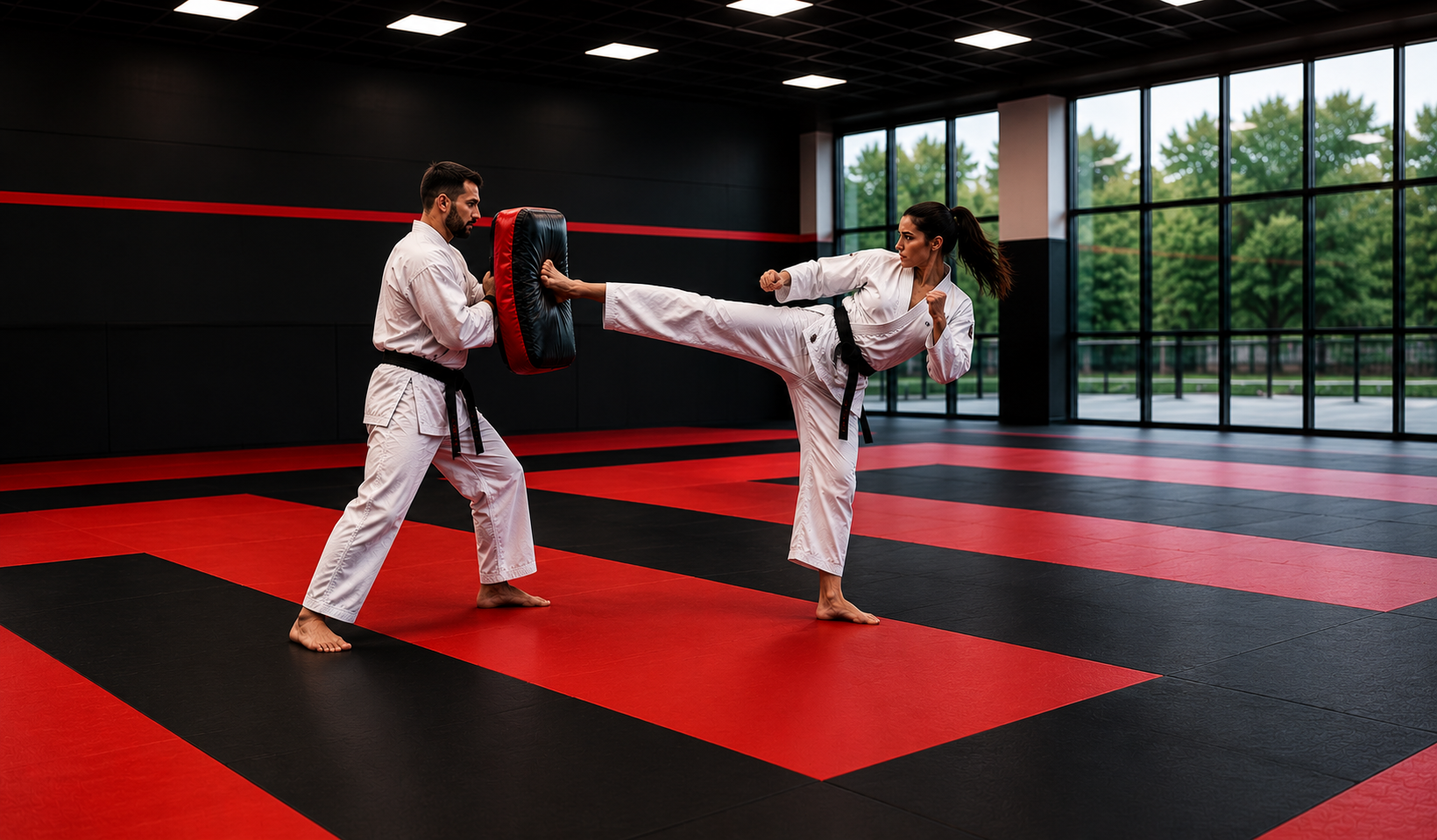
A useful conversation about teen self-defense starts before any physical technique. Recognizing uncomfortable situations, setting a boundary and knowing who can help are important parts of a safety plan. Martial arts instruction can provide supervised practice, but no class makes a teen responsible for preventing someone else's harmful behavior.
Talk about practical choices
Discuss who your teen can call, where they can seek help and how they can leave an uncomfortable situation when possible. Keep the conversation specific to normal routines such as school, activities and travel. Avoid presenting awareness as a guarantee; harmful behavior remains the responsibility of the person causing it.
A short, clear boundary can be easier to remember than an elaborate script. Practice saying that a behavior is not okay and telling a trusted adult. If there is immediate danger, contact emergency services. A karate class is not an alternative to involving appropriate school staff or authorities.
Ask what the class actually teaches
ADK's ages-13+ program includes practical self-defense. Before joining, ask how the instructor balances physical drills with avoiding conflict and seeking help. Ask how partners are matched and how contact is controlled. Those details matter more than a claim that one move will work in every situation.
Training techniques belong in supervised practice. Watching a clip online is not the same as learning how to perform an exercise safely with feedback. Do not encourage teens to test techniques on friends, siblings or someone at school to see whether they work.
Keep communication open
Give your teen a way to talk about an incident without first having to prove they handled it correctly. Listen and work together on a plan. If bullying is involved, document concerns and involve the school or relevant adults rather than making fighting the next step.
Families in Magnolia can use an introductory visit to see whether the program's approach matches their expectations. Because teens join the ages-13+ program rather than an advertised teen-only class, clarify age placement, supervision and the first session before booking. The most useful result of that visit may be a clearer conversation about safety, not a collection of techniques.
Your next step at ADK
Ask the adult-program instructor about supervised self-defense practice and appropriate placement for your teen.
38027 FM 1774, Magnolia, TX 77355 · 832-340-5511
Edition dates describe the seasonal topic, not an earlier publication date. Added October 20, 2026. Program availability, fees and schedules can change; verify current details with the dojo.